
Ticks and Your Dog: What Every Pet Parent Should Know
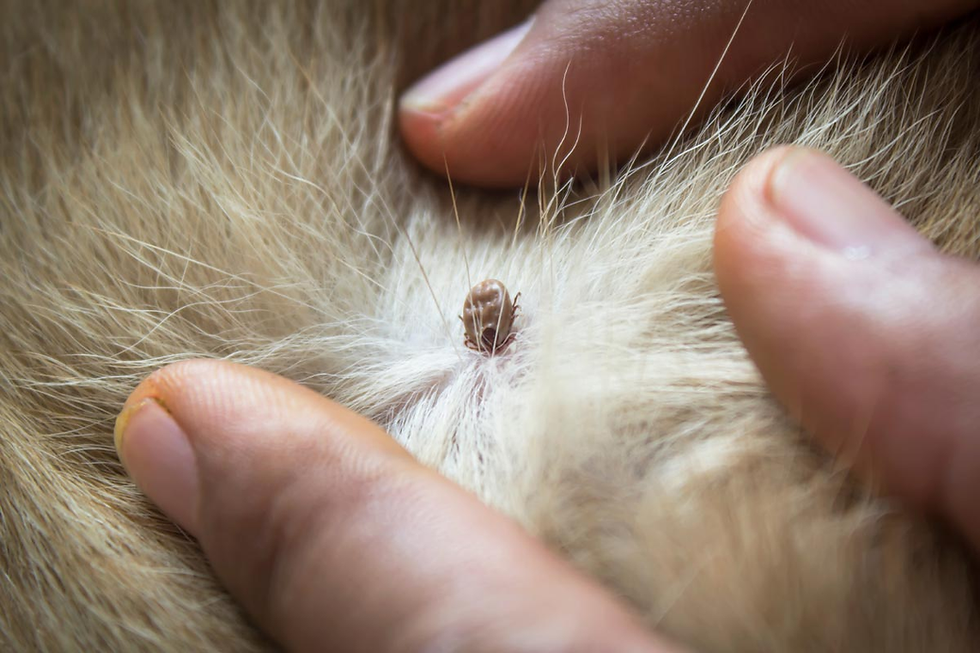
As the weather warms up and dogs spend more time outside, ticks become a common concern for pet owners. These tiny parasites may be small, but they can cause serious health issues for your furry friend if they are not caught and treated quickly. Understanding how ticks affect dogs and how to prevent them is an important part of keeping your pet healthy and happy year-round.
Ticks are commonly found in grassy fields, wooded areas, hiking trails, and even in some backyards. They attach themselves to animals by latching onto the skin and feeding on blood. Dogs who love outdoor adventures are especially at risk, but even pets who only go outside for short walks can encounter ticks during warmer months.
One of the biggest concerns with ticks is that they can carry diseases. Lyme disease is one of the most well-known illnesses spread by ticks, but ticks can also transmit ehrlichiosis, anaplasmosis, and Rocky Mountain spotted fever. These diseases can cause symptoms such as fever, lethargy, joint pain, loss of appetite, and swelling. In severe cases, they can lead to long-term health problems if left untreated.
Checking your dog regularly for ticks is one of the best ways to protect them. After walks or outdoor playtime, inspect areas like the ears, neck, under the collar, between the toes, and around the tail. Ticks can vary in size and may feel like small bumps on your dog’s skin. The sooner a tick is removed, the lower the chance of disease transmission.
If you find a tick on your dog, it is important to remove it properly. Using fine-tipped tweezers or a tick removal tool, grasp the tick as close to the skin as possible and pull straight outward with steady pressure. Avoid twisting or squeezing the tick, as this can leave parts behind in the skin. After removal, clean the area thoroughly and monitor your dog for any unusual symptoms.
Preventative care is one of the most effective defenses against ticks. Many veterinarians recommend monthly flea and tick preventatives, which come in forms such as chewables, topical treatments, or collars. Keeping your yard trimmed and avoiding tall grass can also help reduce exposure to ticks around your home.
It is also helpful to know when tick activity is highest. While ticks are most active during spring and summer, some species can survive well into fall and even winter in milder climates. This means year-round prevention is often the safest option for dogs, especially in areas where ticks are common.
At the end of the day, staying proactive is the key to keeping your dog safe from ticks. Routine checks, preventative medications, and quick action when ticks are found can make a huge difference in your pet’s health. A little extra attention after outdoor adventures helps ensure your dog can continue enjoying every walk, hike, and play session safely. 🐾



Comments