
Springtime Safety for Dogs: Essential Tips to Keep Your Pup Happy, Healthy, and Adventure-Ready
Spring is finally here, and for dog owners, that means longer walks, warmer weather, and more time outdoors with your pup. But while the season brings fresh air and blooming flowers, it also introduces a new set of risks that every pet parent should be aware of. From parasites to allergies, spring requires a little extra attention to keep your dog healthy and happy.
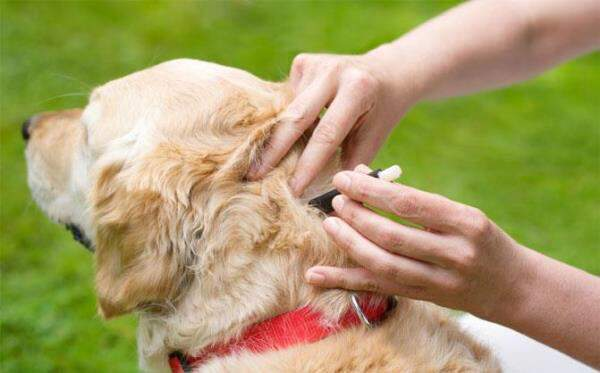
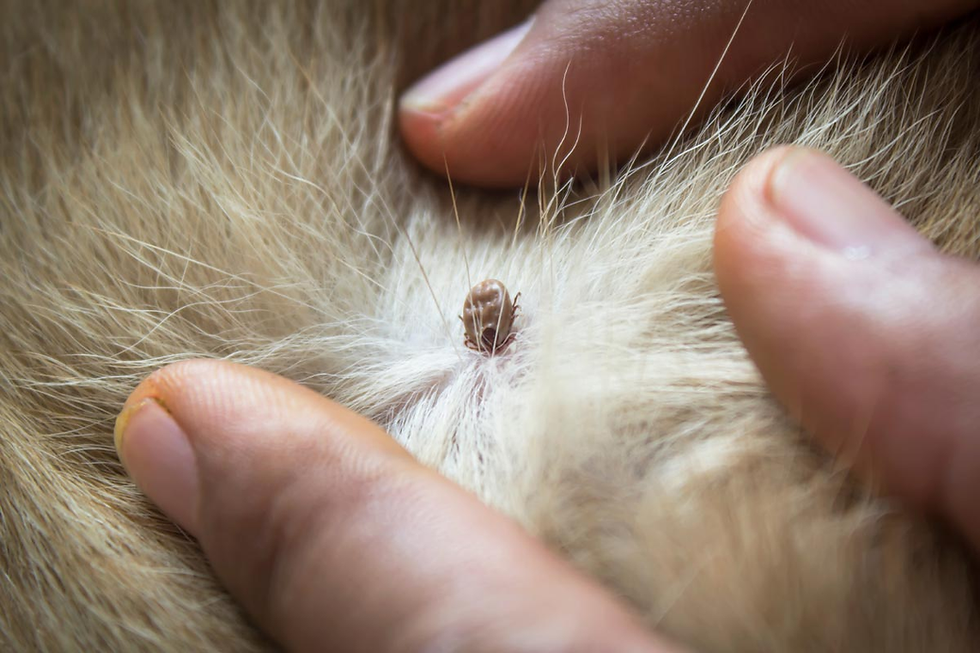
One of the biggest concerns this time of year is the return of parasites—especially ticks and fleas. As temperatures rise, these pests become far more active and can transmit serious illnesses like Lyme disease and Rocky Mountain spotted fever . Recent 2026 veterinary guidance emphasizes that prevention is key, including routine tick checks after outdoor activities and using vet-approved preventatives. The sooner you catch a tick, the lower the risk of disease transmission.
Along with ticks, mosquitoes also make a comeback in spring, bringing the threat of heartworm disease. Heartworm is a potentially fatal condition transmitted through mosquito bites, making prevention absolutely critical . Monthly preventatives and regular vet checkups are your best defense, especially if your dog spends a lot of time outside.
Spring allergies are another common issue for dogs, though they don’t always look the same as human allergies. Instead of sneezing, dogs often show symptoms through itchy skin, excessive scratching, paw licking, or ear irritation . Pollen, mold, and even flea bites can trigger these reactions, so keeping your dog clean and monitoring symptoms closely can make a big difference in their comfort.
While the outdoors becomes more inviting, it also introduces hidden hazards. Many popular spring plants—like tulips and daffodils—can be toxic if ingested . Additionally, fertilizers, pesticides, and herbicides used in gardens can pose serious risks. Always check your yard and avoid letting your dog roam in freshly treated areas.
Another lesser-known spring danger is grass awns (foxtails) and sharp seeds that can embed into your dog’s skin, ears, or even travel deeper into the body . These can cause infections or more severe complications if left untreated. After hikes or time in tall grass, give your dog a quick once-over to catch anything early.
Spring is also the perfect time to refresh your dog’s routine. After a less active winter, gradually increasing exercise helps prevent injury and builds stamina . Grooming becomes especially important too, as shedding increases and regular brushing helps remove allergens and check for skin issues or parasites.
At the end of the day, spring should be a time of fun and bonding with your dog—not stress. With a little awareness and preventative care, you can enjoy everything the season has to offer while keeping your furry friend safe. A quick daily check, a clean environment, and staying proactive with vet care go a long way in making spring one of the best seasons for you and your pup.


Comments